A Renowned South African Seafood Restaurant Chain
The client is a renowned seafood restaurant chain with a global presence of over 203 stores across various countries, including Dubai, Saudi Arabia, and Egypt. Originating in South Africa, the chain is acclaimed for its high-quality seafood offerings and commitment to sustainability.
Their menu features a diverse array of meticulously prepared dishes, ranging from grilled fish to sushi rolls, and their welcoming atmosphere caters to a wide range of preferences and occasions, from casual lunches to celebratory gatherings.

Fragmented Data Across a Global Network
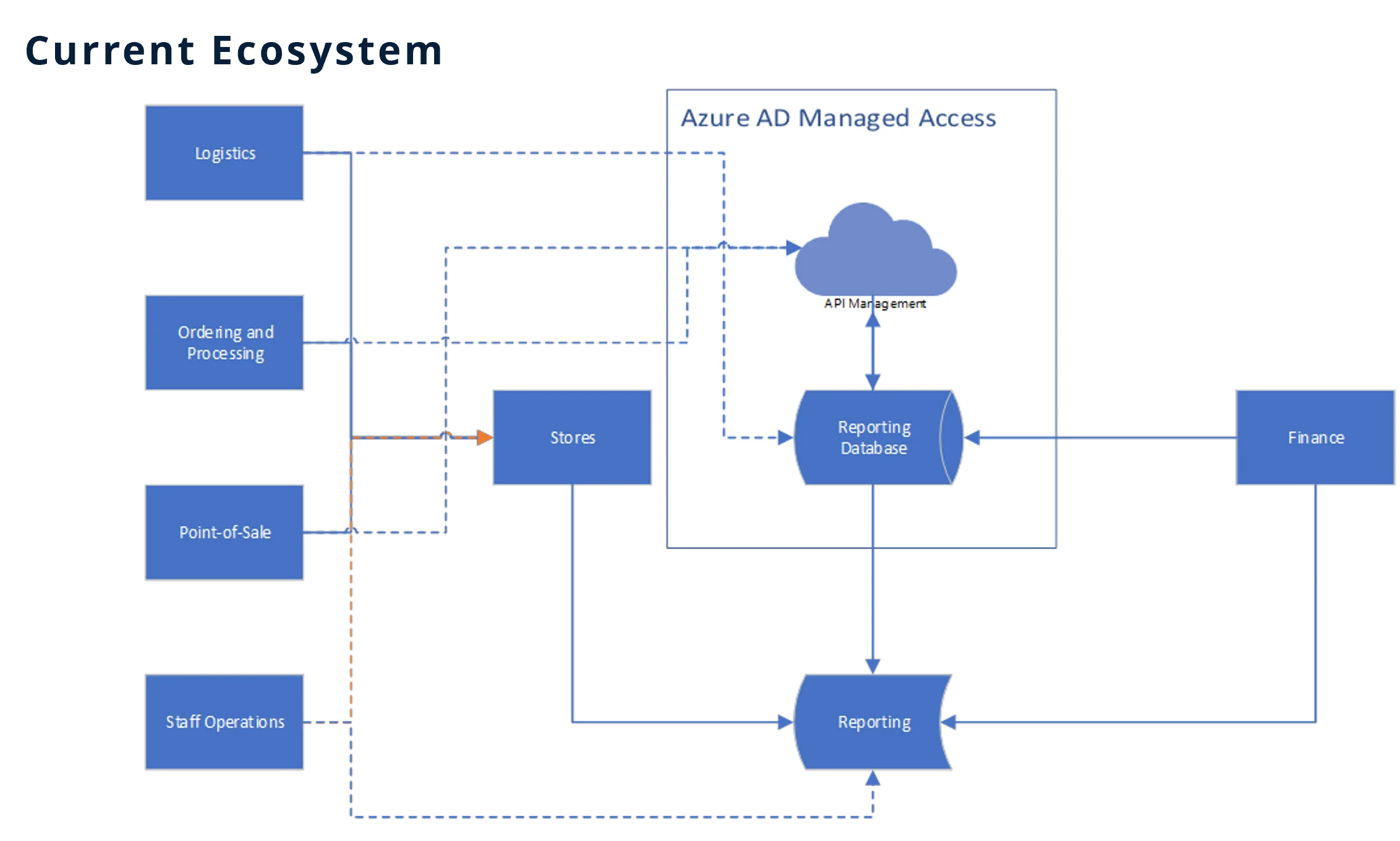
The client grappled with a complex data landscape characterised by disparate Point of Sale (POS) systems across their global network. This decentralised architecture led to fragmented data silos, validation issues, and data governance concerns.
Manual processes for data consolidation and reporting compounded the challenge, consuming valuable time and resources while limiting scalability and agility. These inefficiencies hampered operational efficiency, compromised data integrity, and hindered the organisation's ability to make timely, data-driven decisions essential for sustained growth and competitiveness.
- Disparate POS systems across the global network creating fragmented data silos and validation issues
- Manual data consolidation consuming valuable time and resources, with limited scalability
- Data governance concerns compromising data integrity and trust in reporting
- Inability to make timely, data-driven decisions essential for sustained growth and new market entry
The pressing need for a unified data solution became apparent as the client sought to optimise operations, enhance data governance, and drive growth in new markets. They engaged Decision Inc. for support across the following key areas:
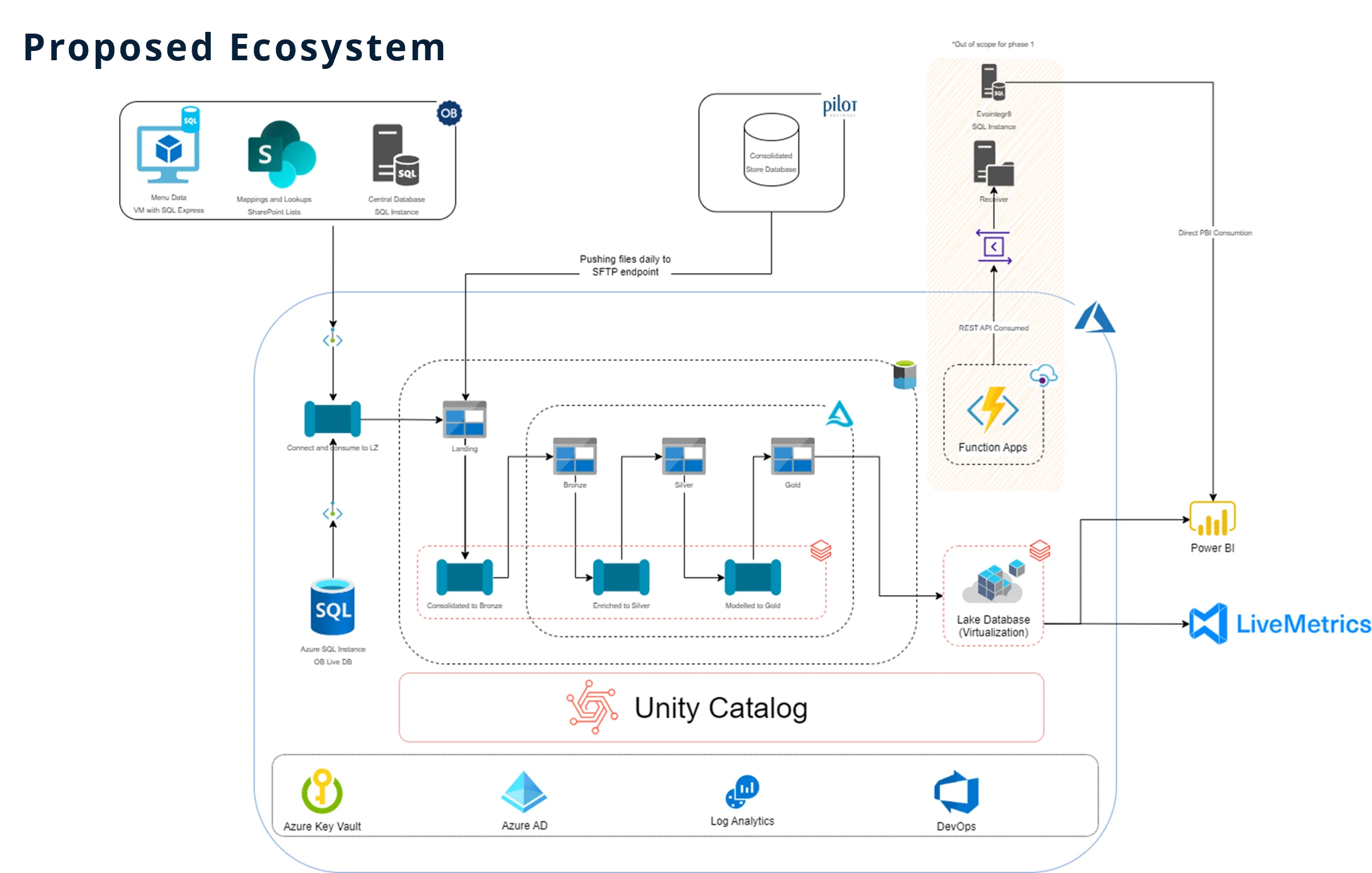
Assessing information systems architecture to determine the optimal system architecture and roadmap for future development.
Establishing data policies and guidelines to ensure the reliability, accessibility, and security of data throughout the organisation.
Streamlining the flow of information from source systems to the data lake and analytics platforms to ensure accurate and timely data acquisition.
Defining transformation processes and rules essential for processing data in the data warehouse, ensuring readiness and structured format for consumption.
Utilising data to generate actionable insights that enhance organisational value, enabling informed decision-making and fostering a data-driven operational approach.